Commercial Cleaning in NW3
Keeping a workplace clean in NW3 is about more than appearances. In a busy part of North West London, where offices, practices, retail spaces, hospitality venues, and shared business premises all compete for attention, a reliable cleaning service helps create a healthier, safer, and more professional environment every day. Whether you manage a compact office near Hampstead, a busy clinic serving local residents, a studio in Belsize Park, or a multi-use premises close to Swiss Cottage, commercial cleaning in NW3 needs to be flexible, discreet, and built around the realities of the area.
Local businesses often deal with narrow streets, limited parking, restricted loading times, and buildings with a mix of old and modern layouts. That means cleaning work has to be planned carefully, with minimal disruption and a clear understanding of access, building rules, and operating hours. A dependable local team can help keep your premises consistently presentable while supporting staff wellbeing and customer confidence.
If you are looking for a cleaner office, a fresher reception area, or a more hygienic workspace, a tailored commercial cleaning service can make a noticeable difference. From routine maintenance to one-off deep cleans and specialist support, the right service should fit your premises, your opening times, and the way your business actually works.
Why Commercial Cleaning Matters in NW3

NW3 is a varied area with a strong mix of residential streets, professional practices, boutique businesses, schools, wellness spaces, and hospitality venues. That variety creates different cleaning needs from one property to the next. A landlord-managed office in Hampstead may need a light-touch daily clean with careful attention to communal areas, while a dental practice in Belsize Park may require strict hygiene routines and dependable sanitisation of high-touch surfaces. Meanwhile, a café or restaurant space near Swiss Cottage may need early-morning or late-night cleaning to keep front-of-house and back-of-house spaces in good condition without interrupting service.
Clean premises also influence how people feel when they arrive. Clients notice dust on reception desks, streaks on glass, smudges on doors, untidy washrooms, and overflowing bins. Staff notice it too, especially in areas where they spend long hours. Good commercial cleaning supports morale, reduces the spread of grime and germs, and helps you present your business with confidence. In a competitive local area like NW3, these details matter.
Commercial cleaning is not just about tidiness. It supports the day-to-day running of the building, helps extend the life of flooring and fixtures, and contributes to a healthier working environment. When done well, it becomes one of the most practical investments a business can make.
Types of Commercial Premises We Commonly Clean

Commercial properties in NW3 come in many forms, and the best cleaning plans reflect that diversity. Some businesses need daily attention, others require several visits each week, and some are best served by periodic deep cleans alongside regular maintenance. A local commercial cleaner should be able to adapt to the property type, traffic levels, and operational schedule.
Typical premises that benefit from professional cleaning include:
- Offices with desks, meeting rooms, kitchens, and shared washrooms
- Medical and dental practices where hygiene standards are especially important
- Retail units that need clean floors, windows, counters, and customer areas
- Cafés, restaurants, and takeaways with food preparation and dining spaces
- Schools, nurseries, and tutoring spaces that require regular sanitising and safe products
- Estate and letting offices that must stay presentable for visitors and viewings
- Shared workspaces and studios with frequent footfall and communal facilities
- Communal areas in managed buildings such as stairwells, lobbies, and corridors
Each setting brings its own expectations. Office cleaning may focus on desks, keyboards, bins, kitchenettes, and carpets, while hospitality venues often need a stronger emphasis on hygiene, waste management, and surface disinfection. A useful local service will ask the right questions before work begins so that the cleaning plan matches the site, not just a generic checklist.
What Is Included in a Commercial Cleaning Service?

Commercial cleaning should feel practical, clear, and tailored to your premises. The exact tasks depend on the building and your priorities, but most clients in NW3 want a service that covers the everyday essentials thoroughly and consistently. The aim is to keep the property in a good condition without causing disruption to staff or customers.
Common tasks often include:
- Dusting and wiping desks, ledges, shelves, and other accessible surfaces
- Vacuuming carpets and entrance mats
- Cleaning hard floors, including mopping and spot treatment
- Sanitising touchpoints such as handles, switches, rails, and shared equipment
- Emptying bins and replacing liners
- Cleaning kitchen and break-room surfaces
- Wiping and disinfecting washrooms
- Cleaning internal glass and mirrors where required
- Keeping receptions, waiting areas, and customer-facing spaces tidy
- Targeting dust build-up in corners, skirting boards, and other neglected spots
Some businesses also request specialist tasks such as deep carpet cleaning, floor polishing, oven or appliance cleaning in staff kitchens, post-event cleaning, or periodic high-level dusting. If your premises have particular needs, a local cleaning team should be able to build a plan around them instead of forcing a one-size-fits-all approach.
Where hygiene matters most, such as in healthcare-adjacent settings, beauty rooms, or food-related environments, it is sensible to discuss cleaning frequency, product choice, and any building-specific requirements in advance. The right arrangement will help you keep standards steady over time.
Why Local Knowledge Helps in NW3
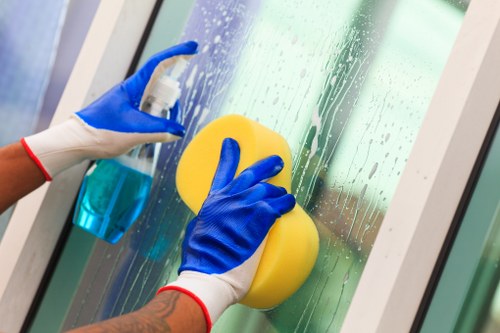
Choosing a local company for commercial cleaning in NW3 can make everyday arrangements much easier. NW3 includes a blend of period buildings, converted homes used for business, modern office spaces, and shared premises with varying access arrangements. A team familiar with the area is more likely to anticipate the practical issues that affect timing, access, and equipment movement.
For example, some streets in Hampstead and Belsize Park can be tight for larger vehicles, especially at busy times of day. Parking may be limited or controlled, and some premises have narrow entrances, shared stairwells, or limited storage space for cleaning materials. A local crew is more likely to plan around these issues with realistic scheduling and efficient setup, helping the work run smoothly from the start.
Local knowledge also matters when your business shares a building with residents or other organisations. In mixed-use properties, courtesy and timing are essential. A commercial cleaner who understands the area will typically be better at working quietly, respecting neighbours, and fitting into the rhythm of the building. That matters just as much as the cleaning itself.
Areas in and around NW3 that often require commercial cleaning
NW3 covers a mix of well-known neighbourhoods and nearby business locations. Cleaning services are commonly arranged for premises in:
- Hampstead
- Belsize Park
- Swiss Cottage
- South Hampstead
- Primrose Hill
- Chalk Farm
- Gospel Oak
- West Hampstead border areas
- Finchley Road commercial stretches
These areas include everything from compact professional suites to larger commercial buildings. The service should be shaped around your exact location and the access conditions of your site rather than a generic timetable.
How the Service Usually Works

A good cleaning arrangement should feel straightforward from the first enquiry to the day-to-day visits. Businesses often want clarity about how the work is organised, what information is needed, and what happens after the first visit. The process should be practical and easy to manage, especially if you already have a busy schedule.
Here is how commercial cleaning services are commonly arranged:
- Initial discussion – You explain the type of premises, cleaning priorities, preferred schedule, and any access needs.
- Site assessment – A local cleaner may review the building, note traffic levels, and identify the tasks needed for each area.
- Cleaning plan – The service is organised around your frequency, hours, and property layout.
- Commencement – Cleaning starts at the agreed times, often before opening, after closing, or during quieter periods.
- Ongoing review – The plan can be adjusted if your needs change, such as during busy seasons, office moves, or refurbishments.
In practice, the best commercial cleaning service should feel responsive rather than rigid. If your business has peak trading periods, client appointments, or shared occupancy, the work should be timed to reduce interruptions. That may mean early mornings, evenings, weekends, or a staggered schedule across different parts of the site.
Good communication is key. A clear plan helps everyone know what is being cleaned, when it is happening, and how to avoid disruption. That is especially valuable in busy NW3 premises where multiple people may use the same space each day.
What Makes a Strong Commercial Cleaning Plan?
No two businesses are identical, so the cleaning plan should reflect the building and the people using it. A strong plan does not just list tasks; it also considers the flow of the property, the busiest times, the most-used surfaces, and any areas that require extra care. In NW3, this often means balancing presentation, hygiene, and convenience.
When setting up a plan, it helps to think about:
- How many people use the space each day
- Which rooms get the most traffic
- Whether you need daily, several-times-weekly, or occasional cleaning
- Any high-touch areas that need frequent sanitising
- Whether there are carpets, hard floors, glass partitions, or specialist surfaces
- Access restrictions, alarm systems, or key-holding arrangements
- Any times when the building is unavailable or particularly busy
It is often better to have a realistic cleaning schedule that is followed consistently than an over-ambitious one that cannot be maintained. Businesses usually value reliability, clear standards, and a team that understands the property over a complicated arrangement that looks good on paper but does not suit the site.
Common cleaning frequencies
Depending on the type of premises, you may need:
- Daily cleaning for offices, customer-facing venues, and high-traffic shared spaces
- Several visits per week for smaller offices or less heavily used premises
- Weekly upkeep for low-traffic spaces that still need regular maintenance
- Periodic deep cleaning to refresh kitchens, carpets, washrooms, and neglected areas
Choosing the right frequency can help control costs while still maintaining a professional finish. If you are not sure what is appropriate, a local provider can recommend a realistic starting point.
Preparation Checklist for Businesses in NW3
Preparing for commercial cleaning does not need to be complicated, but a little organisation helps the service run more efficiently. If you are setting up regular cleaning in a Hampstead office, a Belsize Park clinic, or a shared premises near Swiss Cottage, a few simple steps can make the first visit smoother and reduce the chance of confusion.
Before the cleaning starts, it is useful to:
- Clear away personal items from desks, counters, and shared surfaces where possible
- Identify rooms or areas that should not be entered without permission
- Share access instructions, alarm details, or building entry procedures
- Let the cleaner know about fragile items or special finishes
- Point out any areas needing extra attention, such as kitchens, washrooms, or reception
- Confirm preferred cleaning times so that staff and customers are not disturbed
- Note any parking, loading, or entry restrictions near the property
Most cleaning teams are used to working around active businesses, but the more information they have, the better they can support your routine. If your premises are in a converted townhouse, a basement office, or a building with shared access, it is especially useful to explain the layout clearly.
A tidy workspace is easier to clean well. If loose paperwork, cables, and personal items are removed from work surfaces where possible, the team can focus on proper surface cleaning rather than working around clutter.
Pricing Factors for Commercial Cleaning
Businesses often want to know what affects the cost of commercial cleaning before they commit. Exact prices vary from site to site, so it is more useful to understand the factors that shape the quote. This helps you compare options fairly and choose a service that suits the premises and the budget.
Common pricing factors include:
- The size of the premises
- The number of rooms, floors, or shared spaces
- The level of cleaning required
- How often the service is needed
- Whether specialist tasks are included
- The amount of footfall and daily use
- Access conditions and time restrictions
- Whether the site is straightforward or has complex layouts
Some properties need extra attention because of high visitor numbers, food handling, medical use, or demanding floorcare needs. Others are easier to maintain but still need regular attention to preserve a professional appearance. A sensible quote should reflect the work involved rather than a rough guess.
If you are comparing services in NW3, ask what is included in the arrangement and how the plan would change if your needs increased later. A flexible local cleaner can often scale work up or down without forcing you to start from scratch.
What to ask before booking
- Which tasks are included in the regular visit?
- Can the schedule be set around opening hours?
- Are washrooms, kitchens, and shared areas covered?
- Can the cleaning plan be adapted for busy periods?
- How are access and building security handled?
Why Choose a Local Company for NW3 Premises?
There are practical advantages to working with a local cleaning company in NW3. Responsiveness is one of the biggest. If something changes, such as a last-minute event, a spill, a post-refurbishment clean, or an increase in foot traffic, a local team may be better placed to adapt quickly. This can be especially helpful for businesses with customer appointments or shared occupancy.
Another advantage is familiarity with the area’s buildings and routines. NW3 includes older terraces converted into offices, basement practices, modern commercial units, and mixed-use properties with shared entry points. These properties often require more care than a standard office block. A team that works in the area regularly is more likely to understand these differences and plan accordingly.
Local service also means better continuity. The same team can become familiar with your site, your preferences, and your priorities. Over time, that familiarity helps improve consistency, reduce mistakes, and ensure the cleaning always matches what your business needs.
Typical benefits of choosing local support
- Faster response to changes or urgent needs
- Better understanding of parking and access restrictions
- More suitable timing for busy streets and shared buildings
- Cleaner communication and easier scheduling
- Service tailored to local business property types
For many customers, the main reason to choose local is simple: it feels easier to manage. When the service fits the area, the property, and the daily routine, everything runs more smoothly.
Commercial Cleaning for Different Business Sectors
Different sectors have different expectations, and that is especially true in an area as varied as NW3. A good commercial cleaning provider should not treat every site the same. Instead, the service should reflect what the premises are used for, who visits, and what standards need to be maintained.
Examples of sector-specific needs include:
- Professional offices – dust control, kitchen cleaning, bins, desks, and washrooms
- Healthcare and treatment rooms – hygienic surface care and careful attention to touchpoints
- Hospitality venues – floorcare, toilets, dining areas, and waste removal
- Retail spaces – display areas, entrance matting, glass, and customer-facing areas
- Schools and learning spaces – safe products, regular sanitising, and quick turnaround cleaning
- Managed buildings – communal halls, stairs, lifts, and shared facilities
The more active the business, the more important it is to stay on top of everyday cleaning. High-traffic spaces collect dust and grime quickly, and customers tend to notice small details in places where they sit, wait, or interact with staff. Keeping these areas fresh helps protect your reputation and makes the space more pleasant to use.
Useful extras many businesses request
Depending on the property, you may also want occasional support with:
- Carpet and upholstery freshening
- Window and glass cleaning
- Washroom deep cleaning
- Kitchen degreasing
- Post-build or post-decoration cleaning
- End-of-tenancy cleaning for commercial units
Frequently Asked Questions
How often should a business in NW3 book commercial cleaning?
It depends on the property and how it is used. Busy offices, clinics, and customer-facing spaces often need daily cleaning, while smaller or lower-traffic premises may only need visits several times a week or weekly. The right frequency depends on footfall, hygiene demands, and how polished you want the space to look.
Can cleaning be done outside office hours?
Yes, many businesses prefer early mornings, evenings, or weekends so that cleaning does not disrupt staff or visitors. This is particularly useful for offices, reception areas, and retail units in busy parts of NW3 where daytime access may be awkward.
What if my premises have limited parking or difficult access?
This is common in NW3, especially in streets with restricted parking or older buildings. A local commercial cleaner can plan around this by arranging suitable arrival times, bringing the right equipment, and working efficiently within the available space.
Do I need to prepare the building before each clean?
Usually only a light tidy is needed. It helps if personal items are cleared from surfaces and any special instructions are shared in advance. If the building has secure areas, restricted rooms, or specific access procedures, these should be explained at the start.
Can the cleaning plan change if my business grows?
Yes. A good service should be able to adjust if your team expands, customer numbers increase, or the property layout changes. It is sensible to review the arrangement from time to time so that it continues to suit your needs.
What if I need a one-off deep clean rather than ongoing support?
One-off cleaning is often available for special situations such as a refurbishment, a seasonal reset, or a particularly busy period. It can also be useful before a new tenancy starts or after works have finished. If you only need occasional support, that can usually be arranged too.
Choose a Commercial Cleaning Service That Fits Your Premises
When you are comparing options for commercial cleaning in NW3, focus on more than just the basic task list. Think about reliability, communication, flexibility, and the provider’s understanding of your type of building. A good service should make your premises easier to manage, not add to your workload.
Look for a cleaning arrangement that feels practical from the start: clear expectations, sensible scheduling, and a plan that reflects your building’s real conditions. Whether you run a small office near Hampstead, manage a shared building in Belsize Park, or operate a customer-facing space near Swiss Cottage, a well-planned service can help maintain a cleaner, safer, and more welcoming environment.
If your workplace needs regular cleaning, a deep refresh, or a more structured maintenance plan, now is the right time to act. Contact us today, request a free quote, or book your service now to discuss a cleaning schedule that suits your NW3 premises.
Quick summary of what a strong service should provide
- Consistent cleaning tailored to your property type
- Flexible timing to suit opening hours and access needs
- Attention to hygiene, presentation, and detail
- Practical support for offices, practices, and commercial spaces
- Local knowledge that helps the job run smoothly
For businesses across NW3, that combination is often what makes the difference between a clean workplace and a properly maintained one.