Health and Safety Policy for Cleaners NW3
 At Cleaners NW3, health and safety is central to every cleaning task we carry out. Our approach is designed to protect cleaners, clients, visitors, and anyone who may be affected by our work. We aim to maintain a safe, well-organised environment through sensible planning, proper equipment use, and consistent attention to risk. This policy sets out the standards we follow to reduce hazards and support safe cleaning practices in every setting.
Our commitment applies to all cleaning activities, whether they involve routine upkeep, deep cleaning, or specialist tasks. We recognise that cleaning work can involve slips, chemical exposure, manual handling, and contact with sharp or contaminated items. For this reason, our team follows clear procedures and uses suitable protective measures. By working carefully and staying alert, our cleaning specialists help minimise the chance of accidents and illness.
 Every cleaner is expected to understand their responsibilities before beginning work. This includes following site instructions, using tools correctly, reporting hazards promptly, and stopping work if a situation becomes unsafe. We also encourage good housekeeping at all times, because a tidy workspace reduces avoidable risks. Effective communication is an important part of our safety culture, and we support open reporting of concerns without delay.
Risk assessment is a core part of our process. Before starting any job, we consider the layout of the premises, the type of surfaces involved, the condition of equipment, and any likely exposure to dust, moisture, or cleaning agents. If a task requires additional controls, these are put in place before work begins. Our NW3 cleaners are trained to adapt their methods based on the environment and the specific hazards present.
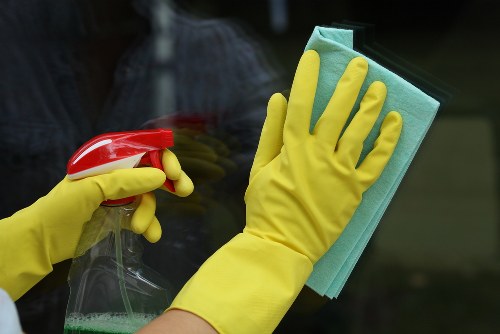
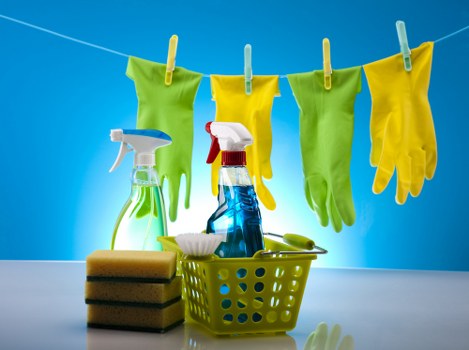
We use products responsibly and always follow manufacturer instructions. Cleaning chemicals are selected for their suitability and used in the correct dilution. Containers are labelled properly, stored securely, and kept away from unauthorised access. Personal protective equipment may include gloves, aprons, masks, or eye protection depending on the task. These measures help reduce irritation, inhalation risks, and accidental contact with substances that could cause harm.
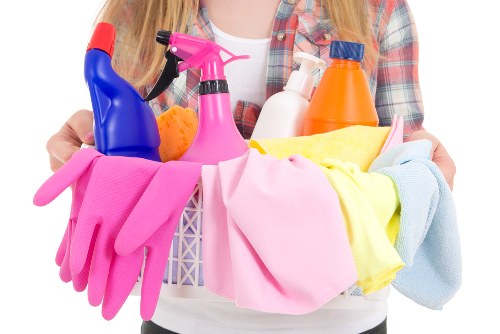 Manual handling is another important consideration. Lifting, carrying, bending, and repetitive movements can lead to strain if not managed correctly. To help prevent injury, cleaners are trained to assess the weight and shape of items before moving them and to use safe techniques when handling equipment or waste. Where possible, we break down heavier tasks into smaller steps and use appropriate aids to reduce physical effort.
Slips, trips, and falls are among the most common workplace hazards, so we take practical steps to reduce them. Floors are monitored for spills, wet patches, trailing cables, and clutter before and during cleaning. Warning signs are used when surfaces are temporarily slippery, and areas are left safe once work is complete. Our cleaning services policy places strong emphasis on clear walkways and careful attention to changing conditions.
Equipment safety is equally important. All tools and machines are checked before use, cleaned after use, and removed from service if they appear damaged or faulty. Electrical equipment must be used according to instructions, and cleaners should never improvise with unsafe repairs. We expect regular inspection of items such as vacuum cleaners, mops, extension leads, and buckets to ensure they remain in safe working order. This helps maintain reliability and reduce avoidable incidents.
Training and supervision support our health and safety standards. New team members receive instruction on safe working methods, emergency procedures, and the correct use of products and equipment. Refresher training is provided where needed so that safe habits remain strong over time. Supervisors monitor work quality and safety performance, reinforcing expectations and helping staff stay confident when dealing with different environments and tasks.
 Emergency readiness is part of our safety approach. In the event of an accident, spill, exposure, or fire-related incident, cleaners are expected to follow the relevant site procedure and seek help immediately where required. First aid arrangements, evacuation routes, and reporting lines should be understood before work begins. Prompt action can limit the impact of an incident and support a quicker return to safe operations.
We also take infection control seriously. In environments where hygiene is especially important, our teams use appropriate cleaning methods to reduce the spread of germs and cross-contamination. Colour-coded materials, correct waste disposal, and routine disinfection help support a cleaner and safer space. Cleaners must wash hands regularly, avoid touching the face during work, and change gloves when necessary to maintain effective hygiene standards.
Health monitoring and wellbeing matter too. Cleaning work can be physically demanding, and we encourage staff to speak up if fatigue, pain, or illness could affect safe performance. Rest breaks, sensible workloads, and proper pacing all contribute to safer outcomes. Where a task is too demanding or presents a new risk, we review the method and adjust the approach before continuing.
Our policy is reviewed regularly to reflect changes in equipment, products, working practices, and identified risks. Improvements are made when incidents, near misses, or operational changes suggest a stronger control is needed. This keeps our cleaning policy practical, current, and focused on prevention. We believe that a safe workplace is built through consistency, responsibility, and the willingness to improve.
 Cleaners NW3 is committed to maintaining high standards of safety while delivering reliable cleaning support. By combining training, careful planning, protective equipment, and responsible working methods, we help create safer environments for everyone involved. Our aim is simple: reduce risk, protect people, and work safely every time.