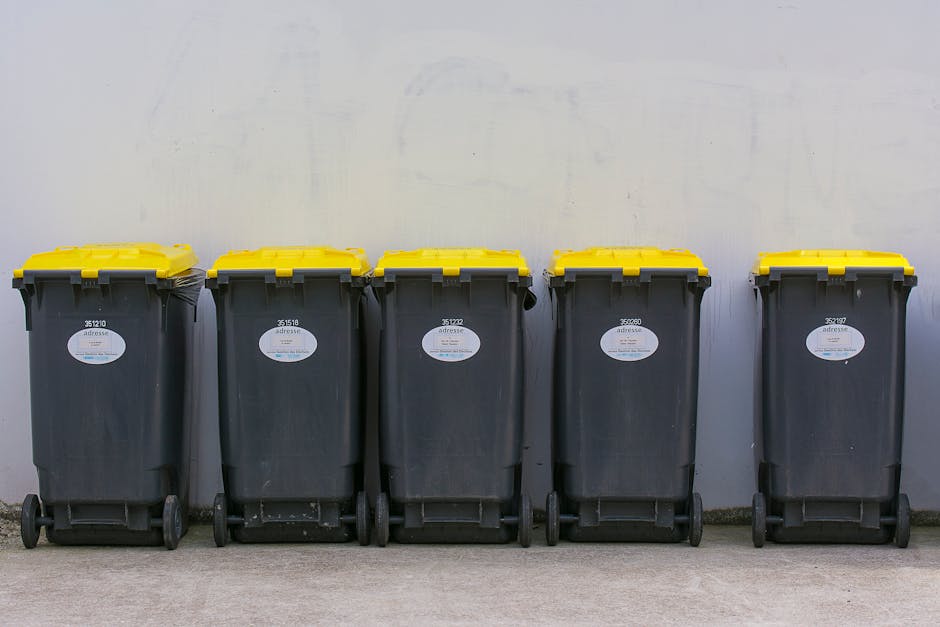
Camden Council rules on rubbish disposal for cleaning jobs
If you clean homes, offices, or rental properties in Camden, rubbish disposal can be the bit that turns a tidy job into a messy one. The cleaning itself may be straightforward; the waste is where people get caught out. Leftover packaging, bagged general waste, old textiles, broken items, and post-clean debris all need handling with care. This guide explains Camden Council rules on rubbish disposal for cleaning jobs in plain English, so you know what can go in a bin, what needs separating, and when you should treat the waste as something more than ordinary rubbish.
That matters whether you are a homeowner, a tenant, a landlord, or a professional cleaner. It also matters if you want to avoid fly-tipping problems, complaints from neighbours, or the awkward moment when a sack of waste is left outside and nobody wants to claim it. To be fair, this is one of those jobs where a little planning saves a lot of hassle.
In this article, you will find practical steps, common mistakes, and a simple way to think about waste from cleaning jobs before it leaves the property. If you want a broader sense of the service side as well, you may also find it useful to look at deep cleaning, end of tenancy cleaning, and the company's approach to recycling and sustainability.
Table of Contents
- Why Camden Council rules on rubbish disposal for cleaning jobs Matters
- How Camden Council rules on rubbish disposal for cleaning jobs Works
- Key Benefits and Practical Advantages
- Who This Is For and When It Makes Sense
- Step-by-Step Guidance
- Expert Tips for Better Results
- Common Mistakes to Avoid
- Tools, Resources and Recommendations
- Law, Compliance, Standards, or Best Practice
- Options, Methods, or Comparison Table
- Case Study or Real-World Example
- Practical Checklist
- Conclusion
- Frequently Asked Questions
Why Camden Council rules on rubbish disposal for cleaning jobs Matters
Cleaning waste is not just "stuff to throw away". In Camden, as in most London boroughs, waste management expectations are there to keep pavements clear, reduce nuisance, prevent pest issues, and stop waste ending up in the wrong place. For cleaning jobs, this can be surprisingly important because the waste stream is often mixed. You may have light general waste, packaging, cloths, vacuum contents, broken small items, and the odd item that needs extra care.
Why does that matter to the average customer? Because if rubbish is left where the council does not expect it, the property can look untidy again almost immediately. Worse, if waste is dumped without proper collection or taken to an unsuitable place, the responsibility can travel back to the person who arranged the job. That is the part many people miss. The clean is finished, the rooms look fresh, and then the waste becomes the problem. Not ideal.
There is also a reputational angle for cleaning businesses. A professional cleaner who treats waste carefully looks organised, trustworthy, and respectful of the property. That matters in an end-of-tenancy setting, after a building project, or when a landlord is checking the place at the end of the day. A neat finish says a lot. Sometimes more than the polish on the skirting boards.
For businesses working across Camden, it is also wise to keep waste handling aligned with service promises and insurance expectations. If you want to see the kind of standards a reputable provider may document, the pages on health and safety and insurance and safety are the sort of places where these details are usually explained clearly.
How Camden Council rules on rubbish disposal for cleaning jobs Works
The simplest way to understand rubbish disposal for cleaning jobs is this: sort the waste before it leaves the property, decide whether it is ordinary household-style waste or something more specialised, and then use the right collection or disposal route. That sounds obvious, but in practice people often combine several waste types into one bag and hope for the best. That is where things become messy.
For a typical domestic clean, the waste may include dust, vacuum contents, disposable cloths, food packaging, bathroom rubbish, or light clutter that the client has already agreed should be removed. For an office clean, you might see paper waste, packaging, broken stationery items, or food waste from kitchens and break rooms. For an after-builders clean, you may also have plaster dust, offcuts, protective coverings, and small debris. Different jobs, different waste profile. Simple enough, but worth saying.
Camden Council rules are generally relevant because the waste must be stored, presented, and disposed of in a responsible way. In practical terms, that means you should not leave sacks on the street unless a proper collection arrangement exists, and you should not mix in anything that could be hazardous, sharp, or restricted. If a cleaner creates waste as part of the job, the arrangements should be clear before the job starts. Otherwise, everyone ends up wondering who was supposed to deal with the bin bags.
A good rule of thumb is to ask three questions:
- Is this normal non-hazardous rubbish?
- Is any item reusable, recyclable, or separable?
- Does anything need special handling because it is sharp, chemical, electrical, or bulky?
Once you answer those, the disposal route becomes much clearer. For households, that may mean the resident's bins or a booked collection. For professional cleaners, it may mean taking waste away only if that service has been agreed and is allowed under the job terms. If you are not certain, it is better to pause and check than to guess. Guessing with waste rarely ages well.
Key Benefits and Practical Advantages
Getting rubbish disposal right is not only about compliance. It genuinely makes the cleaning job better.
- A tidier finish: once waste is cleared in a controlled way, the property looks properly done rather than half-finished.
- Fewer complaints: no one likes seeing bin bags stacked awkwardly outside a building or in a hallway.
- Better recycling outcomes: separating cardboard, plastics, textiles, and reusable items can reduce avoidable waste.
- Lower risk of contamination: mixing food waste, chemical containers, and general debris together can create unpleasant smells and handling issues.
- Less stress for the client: the cleaner is not leaving a mystery pile behind for someone else to sort out.
There is also a practical time-saving benefit. If waste is sorted as the job goes along, the end stage is smoother and faster. Anyone who has ever stood in a room at 6pm with three nearly identical bags and no labels knows the feeling. It is a small thing, but it matters.
Professional cleaning firms often find that having a clear waste process supports other areas too, especially when they offer services such as house cleaning, office cleaning, or after builders cleaning. Those jobs tend to generate different kinds of debris, and having a consistent method keeps the work tidy and efficient.
Who This Is For and When It Makes Sense
This guidance is useful if you fall into any of these groups:
- Homeowners who want a cleaner to remove day-to-day waste safely and sensibly.
- Tenants preparing for a move-out and trying to avoid extra charges or disputes.
- Landlords and agents who need properties left in a presentable condition between occupiers.
- Office managers who want rubbish handled properly during recurring cleaning visits.
- Cleaning businesses that need to stay consistent and professional across jobs.
It makes particular sense when a clean produces more than a couple of bin liners. So if the job includes deep dust removal, old bedding, broken household items, packaging from a renovation, or clutter that needs bagging, the waste plan should be decided in advance. The same goes for bigger services such as end of tenancy cleaning and one-off cleaning, where the waste can vary a lot from property to property.
If you are only dealing with a tiny amount of ordinary rubbish, the process may be simple. But if there is any doubt, especially around bulky items or anything that could leak, cut, or smell, treat it as a planning issue rather than an afterthought. That approach usually saves time and embarrassment. And yes, embarrassment counts here.
Step-by-Step Guidance
Here is a practical way to handle rubbish from cleaning jobs in Camden.
- Identify the waste before the clean starts.
Walk through the property and note what is likely to be removed. A quick look can reveal more than you expect: broken hangers, food packaging, bathroom waste, old cloths, or items the client has already agreed to dispose of. - Separate obvious categories.
Keep general waste apart from anything recyclable or reusable. Cardboard, clean plastic packaging, and textiles should not automatically be bundled in with everything else. - Check for special items.
Anything sharp, wet, chemical, electronic, or bulky deserves a second look. A cleaner's normal waste bag is not a magic portal. It will not fix everything. - Agree who is responsible.
The customer, tenant, landlord, or cleaning company should know who is taking the waste away. Put the arrangement in writing if the job is larger or more complex. - Use the property's storage or collection arrangements where appropriate.
If waste is staying on site for the council collection or another authorised collection, it should be placed neatly and safely in the agreed location. - Remove only what is permitted and agreed.
Do not take items away just because they are there. Consent matters. So does clarity. - Leave the area clean after waste handling.
A final sweep or wipe of the waste area helps prevent smells, stains, and complaints.
A real-world example: after a flat clean, a team may bag up vacuum debris, kitchen packaging, and a few disposable cloths. That is simple enough. But if the same flat also has a broken chair, old paint tins, and a bag of mixed clutter in the cupboard, the disposal route changes. The first pile is routine. The second pile needs more thought.
If you are using a professional provider, ask how waste is handled before the appointment. The pages on pricing and quotes and terms and conditions are usually where this sort of scope is clarified. That little bit of admin can prevent a lot of back-and-forth later.
Expert Tips for Better Results
After enough cleaning jobs, certain habits make a clear difference. Nothing dramatic. Just sensible, practical routines that work.
- Keep a waste kit ready. Bin liners, gloves, labels, and a small supply of ties or tape help you sort as you go.
- Use separate bags where possible. One for general waste, one for recyclable packaging, one for items needing review. That alone prevents many mistakes.
- Do the heavy judgement early. If something might be hazardous or restricted, deal with it at the start, not when the job is winding down and everyone wants to go home.
- Photograph unusual waste before removal. This can be useful for client records, especially where there is disputed ownership or unclear responsibility.
- Build waste time into the schedule. People often underestimate how long sorting and carrying waste takes. It is rarely the most glamorous part of the day, but it is still work.
- Keep communication plain and direct. "We can remove the general waste bags, but the broken appliance needs separate disposal" is easier for clients to understand than a long policy speech.
If you run a business, aligning waste handling with broader operational standards is smart too. The company's approach to about us, cleaning company, and cleaners can tell a customer a lot about reliability, even before they book. People notice the small things. They really do.
And one more thing: do not assume "the bin outside" means "fine to leave anything there." In London, that assumption can turn into a problem quicker than you'd like.
Common Mistakes to Avoid
Most waste-related issues come from a handful of avoidable mistakes.
- Mixing waste types together: general rubbish, recyclables, and special items should not all be shoved into one bag.
- Leaving waste without permission: if the client has not agreed to removal, do not assume it is included.
- Ignoring bulky items: a small clean can suddenly become a clearance-style job if nobody checks what is being left behind.
- Forgetting sharp or breakable materials: glass shards, blades, and broken fixtures need proper containment.
- Assuming council collection will handle everything: standard collections have limits. Not every item belongs in the same system.
- Not confirming responsibility in tenancy situations: this is a classic one. Everyone thinks someone else sorted it.
Another mistake is trying to be helpful in the wrong way. It sounds odd, but it happens. A cleaner may spot a pile of old clutter and decide to dispose of it without checking. The intention is good, but the process may not be. Clear permission beats good intentions every time.
If waste disposal is likely to be a recurring issue, especially in rental turnovers, it may be worth looking at house clearance as a separate service rather than forcing clearance into a standard cleaning appointment.
Tools, Resources and Recommendations
You do not need a huge kit to manage cleaning waste properly, but a few simple tools make life easier.
| Tool or resource | What it helps with | Why it matters |
|---|---|---|
| Strong bin liners | General waste and light debris | Reduces tearing and spill risk |
| Reusable gloves | Handling unknown or dusty waste | Improves hygiene and comfort |
| Labels or marker pen | Sorting waste bags | Makes recycling and review simpler |
| Sealable container | Sharp or leak-prone items | Helps prevent accidents |
| Client checklist | Permission and scope | Clarifies who is responsible for what |
| Waste log or note | Record of removal | Useful if there is ever a query |
For household or office cleaning, a simple checklist is usually enough. For more demanding jobs, such as domestic cleaning or office cleaners attendance on a regular basis, you may want a more formal process. It does not need to be fancy. Just reliable.
And if sustainability matters to you, choose the option that separates reusable and recyclable material wherever sensible. It is a small win, but still a win. We all live here, after all.
Law, Compliance, Standards, or Best Practice
Waste disposal in cleaning jobs should be handled with care because it can touch on local authority expectations, property management rules, and broader UK waste responsibilities. Without pretending every job is the same, the main principle is simple: do not dump waste, do not leave it where it blocks access or causes a nuisance, and do not treat every item as ordinary rubbish if it clearly is not.
In practice, compliance usually means:
- keeping waste safely contained;
- separating recyclable and non-recyclable material where possible;
- not mixing in hazardous or restricted items with ordinary waste;
- agreeing responsibility before the job;
- using an appropriate disposal route for bulky or specialist items.
For professional cleaners, best practice also includes staff training, consistent bagging methods, and clear customer communication. A good company should know how to handle waste without drama. Calm, boring competence. That is what you want, honestly.
If a job involves anything beyond routine rubbish, it is wise to check the relevant property rules, tenancy terms, and service scope before removal. The safest approach is often the most boring one, but that is fine. Boring can be excellent when it keeps everybody out of trouble.
Options, Methods, or Comparison Table
There is more than one way to deal with cleaning waste. The right option depends on the size of the job, the type of waste, and who is responsible for disposal.
| Method | Best for | Pros | Watch-outs |
|---|---|---|---|
| Put waste in household bins | Small amounts of ordinary rubbish | Simple and low-cost | Only works if space and collection timing allow it |
| Separate recycling streams | Cardboard, clean packaging, some textiles | Better sustainability and less contamination | Needs more sorting |
| Arrange customer-led disposal | Jobs where the client wants control | Clear responsibility | Must be agreed early |
| Professional removal as part of a larger service | Clearance-heavy cleans and post-renovation jobs | Smoother handover, less client effort | Should be priced and scoped properly |
For everyday cleaning, simple bin-based disposal may be enough. For larger jobs, especially where waste grows as the work progresses, a structured removal method is usually better. The more mixed the materials, the more you benefit from separation and planning. That is just the way of it.
Case Study or Real-World Example
Picture a small two-bedroom flat in Camden after a move-out clean. The rooms themselves are straightforward: dust, marks, a bit of limescale in the bathroom, and crumbs in the kitchen drawers. During the clean, the team also finds a few abandoned hangers, broken packaging from flat-packs, old food containers, and two bags of unwanted household bits left for disposal.
At first glance, it might look like standard rubbish. But then one bag contains a cracked mirror, and another has a half-used cleaning chemical bottle with a loose cap. Suddenly the waste needs sorting, sealing, and a second look before anything is moved. The team separates the glass, secures the bottle, and checks what the client actually wants removed. The result is a clean flat, a neat waste process, and no unpleasant surprises at the end of the tenancy.
Now compare that with a rushed approach. Everything goes into one black sack, the sack splits in the hallway, and someone has to walk back through the building with debris trailing out. Not exactly the fresh start anyone had in mind. Truth be told, this is why waste handling deserves the same attention as the cleaning itself.
Practical Checklist
Use this checklist before, during, and after a cleaning job that produces rubbish.
- Have I identified the likely waste before starting?
- Has the client agreed who is responsible for disposal?
- Are general waste, recyclables, and special items separated?
- Are sharp, wet, or chemical items secured properly?
- Is anything bulky or unusual needing a separate plan?
- Are waste bags strong, sealed, and labelled if needed?
- Will anything be left for council collection or another approved pickup?
- Has the waste area been cleaned once the rubbish is removed?
- Have I kept a note of anything disputed or unusual?
- Does the final setup leave the property tidy and safe?
That checklist sounds basic, and it is. Basic is good. Basic keeps you out of trouble.
Conclusion
Camden Council rules on rubbish disposal for cleaning jobs are easiest to manage when you treat waste as part of the service, not as an afterthought. Once you know what kind of rubbish a job is likely to create, who is responsible for it, and how it should be separated, the whole process becomes much calmer. The property stays tidier, the client gets a better result, and the risk of avoidable problems drops sharply.
Whether you are arranging a simple domestic clean, a regular office visit, or a more involved end-of-tenancy or post-build job, the same principle applies: sort first, remove carefully, and make sure the disposal route makes sense for the material. Nothing fancy. Just done properly.
If you are comparing options or planning a bigger clean, it may help to review service pages such as carpet cleaning, window cleaning, or oven cleaning alongside the waste plan so the whole job stays joined up. A clean space should feel settled when you walk back into it, not like the work is still hanging around in the hallway.
Get a free quote today and see how much you can save.
And if you take one thing away from this guide, let it be this: good rubbish handling is quiet, careful work, but it makes the finished clean feel genuinely complete.
Frequently Asked Questions
What counts as rubbish from a cleaning job in Camden?
Usually it includes ordinary household or office waste created during the clean, such as dust, packaging, disposable cloths, vacuum contents, and agreed items being removed from the property. Anything sharp, wet, chemical, or bulky should be reviewed separately.
Can a cleaner throw waste straight into the street for collection?
No, not as a casual default. Waste should only be presented for collection in the right way and at the right time. Leaving bags out without an agreed collection plan can cause problems and complaints.
Who is responsible for rubbish disposal during a cleaning job?
That depends on the agreement. In some jobs, the resident or landlord handles disposal. In others, the cleaning provider may remove agreed waste as part of the service. It should be clear before the job starts.
Do cleaning companies need to separate recycling?
They should separate recyclable material where practical and where the type of waste allows it. Clean cardboard, packaging, and some textiles are often easier to separate than mixed general rubbish.
What if the cleaning job produces broken glass or sharp items?
Those items need careful containment before removal. They should not be loose in a sack. Use a safer container or wrap them securely so nobody gets injured while handling the waste.
Is after-builders waste treated the same as normal cleaning rubbish?
No. After-builders cleaning often creates dust, debris, and materials that may need a more structured disposal plan. It is usually more complex than a standard home clean and should be assessed separately.
Can a landlord ask the cleaner to remove left-behind clutter?
Yes, but only if that is agreed in advance. A standard cleaning visit is not always the same as a clearance job, so the scope should be clear to avoid disputes later.
What should I do with cleaning waste if the bins are already full?
Do not leave extra waste in an unsafe or unauthorised place. Either hold it for the next suitable collection, arrange an alternative disposal route, or agree a different plan with the client.
Are chemical bottles from cleaning jobs treated as ordinary rubbish?
Not always. If there is any residue, leakage, or uncertainty, they should be handled with extra care. Never assume a half-used chemical container is just another bin item.
How can I keep waste handling tidy during a clean?
Use separate bags, label them if needed, keep sharps secure, and decide early what will be removed and what will stay. A few minutes of sorting can save a lot of faff later.
Does Camden Council have different rules for households and businesses?
Collection arrangements and responsibilities can differ depending on the property type and waste stream. That is why it helps to treat household cleaning, office cleaning, and clearance-style work as different situations.
Where can I find a cleaning company that takes waste handling seriously?
Look for clear service information, practical policies, and transparent terms. Pages such as health and safety policy and insurance and safety can be useful indicators of how professionally the company works.